- Sheridan, Wyoming, US
- [email protected]

- Call Us Anytime+123 (4567) 890
- Email Us[email protected]
- Opening HourMon - Sat 8:00 - 6:30, Sunday - CLOSED

Get latest update for our trusted applications

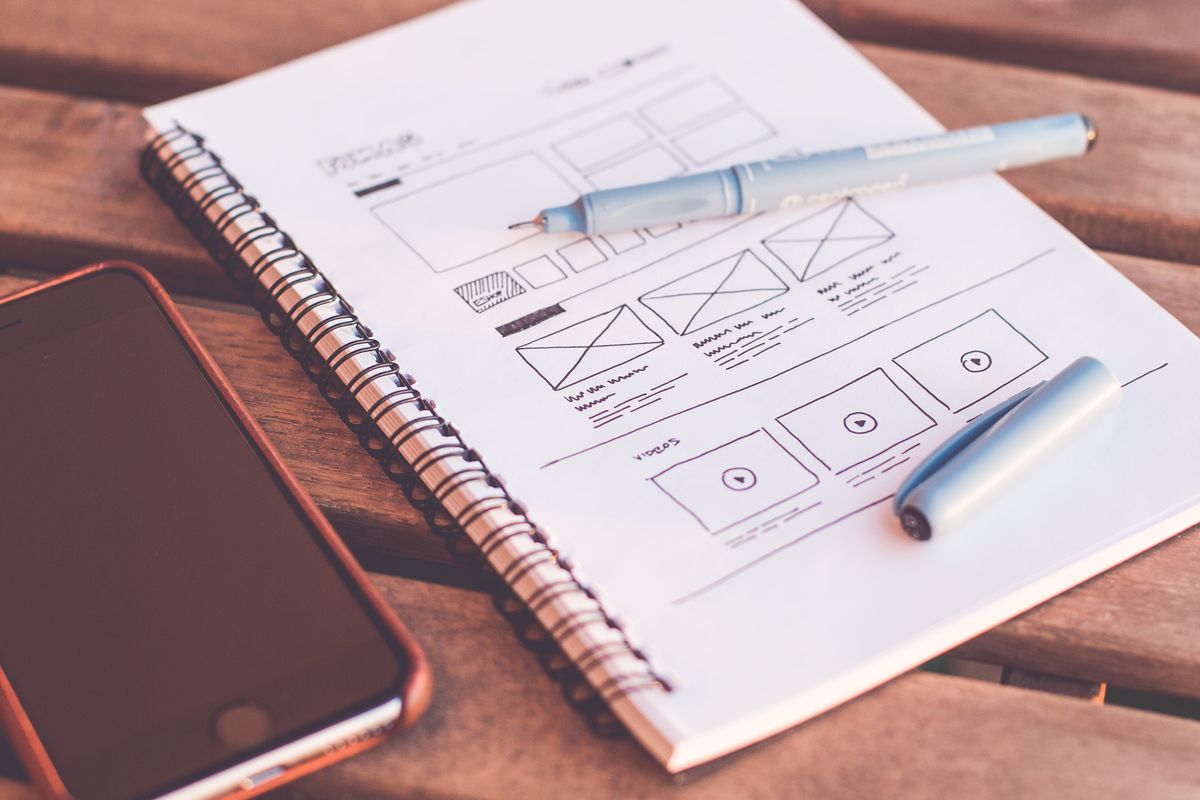
Product & Experience Design


The most expensive design failure is a system that works and nobody uses.
Adoption is not a training problem discovered at launch. It is a design constraint from the first sketch. We design products and services around how the work actually gets done — including the shortcuts your team will take whether or not you approve of them.
94%
adoptionWeekly active use across designed rollouts
−67%
training timeReduction in onboarding for new staff
2.4x
task speedImprovement on core operational tasks
The platform with a 12% adoption rate and a perfect specification.
A client had commissioned an operations platform that met every documented requirement. Twelve per cent of intended users touched it in a given week. The rest had returned to a shared spreadsheet, and the business was running on the spreadsheet while paying to maintain the platform.
Nobody had watched the work being done. The system required eleven fields before a job could be saved, in an environment where staff routinely capture information standing up, in poor light, holding a phone in one hand. The spreadsheet accepted four fields and forgave the rest. It was worse software that fitted reality better.
We redesigned around the observed behaviour rather than the documented process: progressive capture, sensible defaults, offline tolerance, and the eleven fields completed later by whoever had the information. Adoption reached 94% within two months, and the value the original build promised finally appeared. The specification was never the problem.
They spent the first week watching our staff work instead of showing us designs. That week is why the rollout succeeded.
Design that treats adoption as the deliverable.
Beautiful interfaces are table stakes. What we are actually engineering is the probability that people use the thing.
Field research & observation
We watch the work happen in its real environment — noise, gloves, interruptions, workarounds — and design for that rather than for a described process.
Service & process design
Map the whole journey across people, systems and handoffs, and redesign the sequence before designing any screens.
Interface & interaction design
Interfaces for operational reality: fast entry, forgiving validation, offline tolerance, keyboard-first for heavy users, mobile-first for field teams.
Design systems
Component libraries and patterns implemented in code, so consistency survives the next five features and the next three developers.
Brand & positioning systems
Identity, messaging and positioning that hold up across product, sales and recruitment — built from what the business actually does best.
Rollout & enablement design
Sequencing, champion identification, in-product guidance and measurement, because launch day is where most value is won or quietly lost.

Why design is a commercial function here.
Each of these is written into the engagement as a number with an owner, a baseline and a review date.
OUTCOME 01
The investment actually gets used
Adoption is the multiplier on every other number in the value model. A platform at 40% adoption delivers less than half its case; getting to 90% frequently doubles the return with no additional build.
OUTCOME 02
Training and support costs fall
Systems that match how people already think need less instruction and generate fewer support tickets — a recurring saving that continues long after the project closes.
OUTCOME 03
Speed becomes a service advantage
When frontline tasks get materially faster, customers feel it as responsiveness. In service businesses this shows up in retention and referral before it shows up in cost.
Design artefacts that survive handover.
- Research findings with the observed constraints that shaped decisions
- Service blueprint covering people, systems and handoffs
- Tested prototypes for the critical journeys
- Implemented design system in code, not only in a design tool
- Accessibility conformance review against WCAG 2.2 AA
- Rollout plan with adoption metrics and a first-quarter review
The engineering underneath.
Numbers from work already in production.
Measured against the baseline agreed with the client before the engagement started.
12% → 94%
Weekly active adoptionAfter redesign around observed behaviour
−67%
Onboarding timeFor new operational staff
2.4x
Core task speedMeasured on the primary daily workflow
What product owners ask.
- 01. Can you design without building?Yes, and we hand over implementation-ready specifications and a coded design system. We prefer to stay through build, because design decisions are always renegotiated during implementation and that is where adoption is won or lost.
- 02. Our users resist every new system. Will this help?Resistance is almost always rational — the new system is slower for their actual task. Our research finds the specific reasons, and designing them out is considerably more effective than another training programme.
- 03. Do you do branding as well?Yes: identity, messaging and positioning systems. We approach brand as an articulation of what the business genuinely does best rather than as decoration applied afterwards.
- 04. How do you prove design created value?We instrument adoption, task completion time and error rates before and after. Those measures connect directly to the value model, which is how design earns its place in a business case.
Where to go next.

Show us the system your team avoids. We will find out why.
A design assessment observes the real work, identifies the specific reasons adoption is failing and prices the redesign against the value currently unrealised.