- Sheridan, Wyoming, US
- [email protected]

- Call Us Anytime+123 (4567) 890
- Email Us[email protected]
- Opening HourMon - Sat 8:00 - 6:30, Sunday - CLOSED







Get latest update for our trusted applications

Computer Vision


You already own the cameras. You are just not reading what they see.
Most industrial and retail sites record everything and analyse nothing. We turn existing camera infrastructure into a continuous inspector, safety officer and counter — running at the edge, where the bandwidth is not.
98%+
detectionTypical accuracy on trained defect classes
−34%
scrapWaste reduction from earlier defect detection
100%
inspectedEvery unit checked, not a sampled batch
The defect that was found four hours too late.
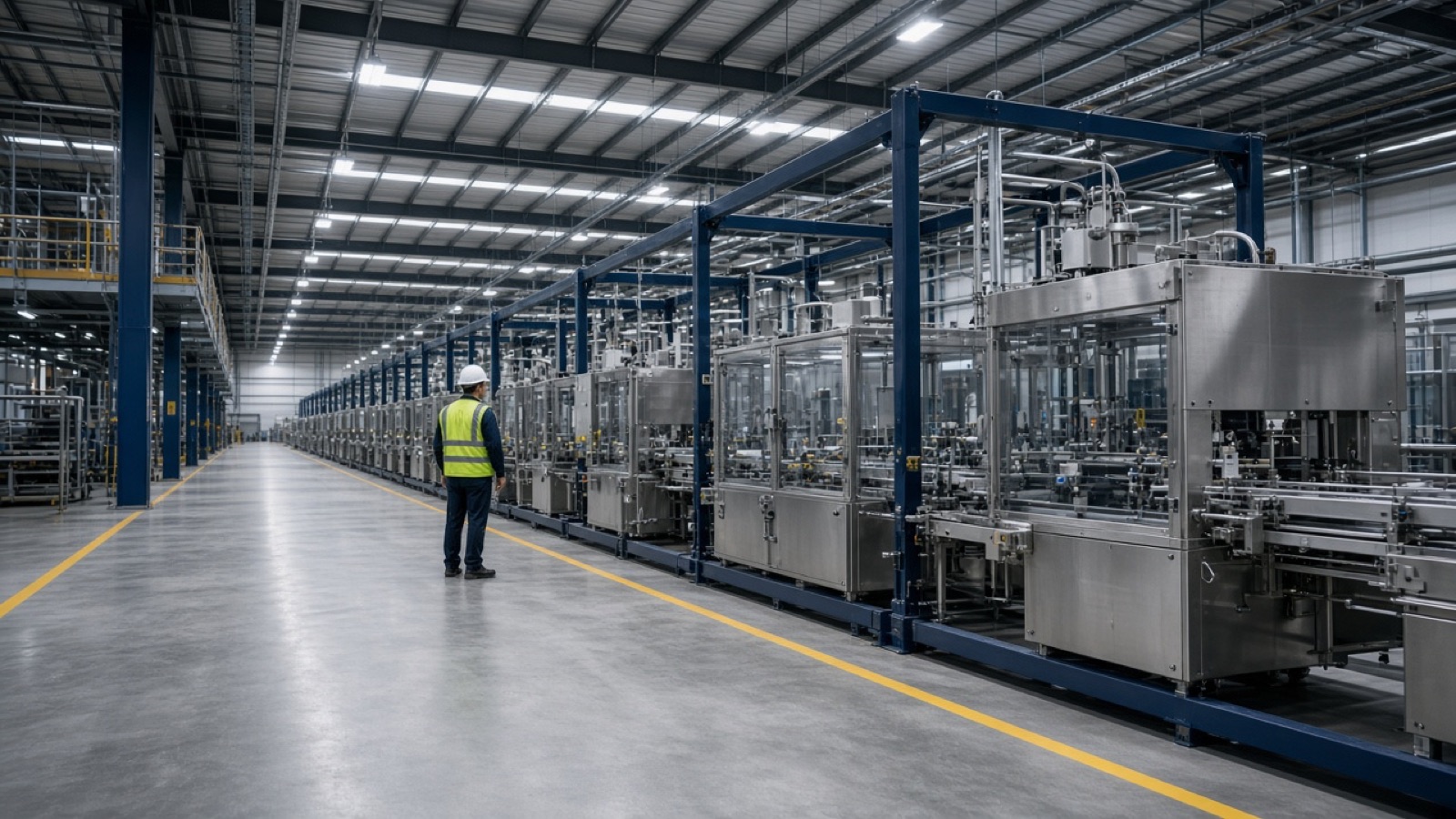
On a Yashoda Group production line, quality inspection was a sampled process — a batch checked every hour by a person with a clipboard. When a calibration drifted, the drift was discovered at the next check. Everything produced in between was already boxed, and sometimes already shipped.
Vision changed the economics rather than the equipment. Cameras that already existed now inspected every unit as it passed, flagged the drift within minutes of it starting, and stopped the line before a shift's worth of product became scrap. Nobody bought a new production line to get that result.
The same pattern repeats across sites: safety compliance verified continuously instead of during audits, footfall and queue times measured instead of estimated, yard and warehouse movement counted instead of guessed. The cameras were always there. We gave them a job.
We used to find quality problems in the warehouse. Now we find them on the line, while they are still cheap.
Six vision applications with a measurable operational payback.
We deploy vision where a missed observation has a direct cost: scrap, downtime, injury, shrinkage or lost throughput.
Defect & anomaly detection
Inspect every unit for surface defects, misalignment, fill level, label accuracy and packaging faults, with drift alerts before scrap accumulates.
Safety & compliance monitoring
Verify PPE use, restricted-zone entry, safe distance and procedure adherence continuously, with privacy-preserving alerting rather than surveillance.
Process & cycle-time analytics
Measure how long each stage actually takes, where work waits and which station constrains the line — evidence instead of opinion in throughput debates.
Footfall, queue & conversion
Count visitors, measure dwell and queue length, and connect store traffic to conversion so staffing and layout decisions rest on data.
Yard, gate & inventory vision
Automate vehicle and container identification, gate timing, load verification and stock presence in warehouses and yards.
Infrastructure inspection
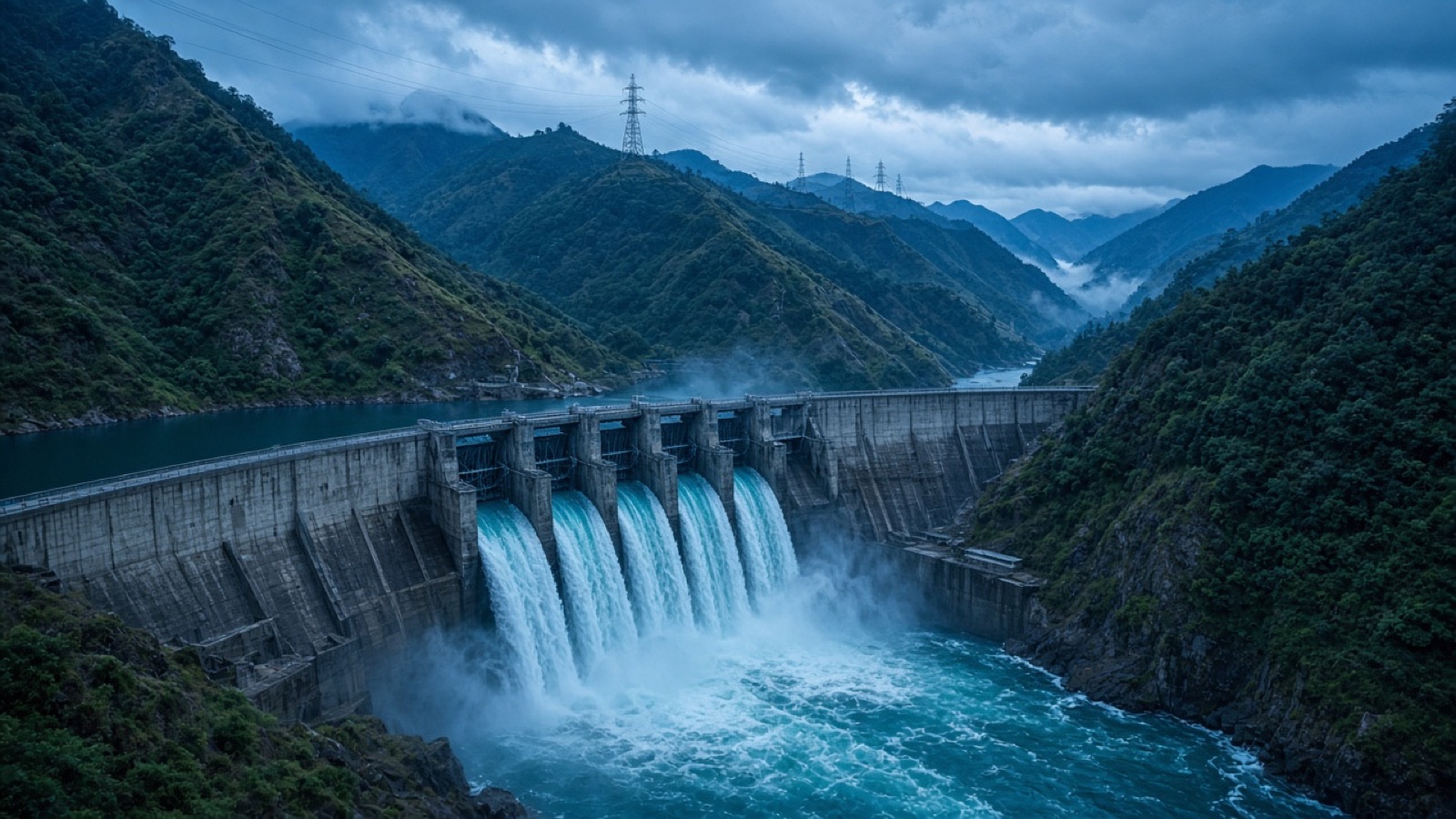
Drone and fixed-camera inspection of penstocks, transmission lines, roofs, façades and equipment, with change detection between surveys.
Where vision shows up in the accounts.
Each of these is written into the engagement as a number with an owner, a baseline and a review date.
OUTCOME 01
Scrap and rework fall
Detecting a process drift in minutes rather than hours removes entire batches from the waste line. In production environments this is usually the fastest payback we can model.
OUTCOME 02
Unplanned downtime shrinks
Visual anomalies and wear are caught while maintenance is still schedulable, converting emergency stoppages into planned work at a fraction of the cost.
OUTCOME 03
Safety improves without a new bureaucracy
Continuous verification catches unsafe practice as it happens rather than at audit. Insurers and regulators respond to the evidence trail, and incident rates fall.
Vision that survives a real factory floor.
- Site survey covering camera placement, lighting, angles and network reality
- Trained models for your specific defects, classes and site conditions
- Edge deployment that keeps working when connectivity does not
- Alerting into the systems your supervisors already watch
- Privacy design: anonymisation, retention limits, access control
- Retraining loop as products, lines and seasons change
The engineering underneath.
Numbers from work already in production.
Measured against the baseline agreed with the client before the engagement started.
−34%
Scrap reductionContinuous inline inspection, manufacturing
98%+
Detection accuracyOn trained defect classes in production
−40%
Gate processing timeAutomated vehicle and load verification
What plant and operations managers ask.
- 01. Do we need to replace our cameras?Usually not. Most existing CCTV is adequate for counting, safety and coarse inspection. Fine defect detection sometimes needs a better sensor or lighting at specific stations, and we say so in the survey rather than after the invoice.
- 02. Our site has poor connectivity. Does that matter?No. Inference runs at the edge and only events and metadata are sent upstream, so the system keeps working through outages and does not saturate your network with video.
- 03. How do we handle staff privacy concerns?We design for anonymised detection — the system flags a missing helmet or an unsafe zone entry, not an identified individual — with retention limits and access control agreed with worker representatives before launch.
- 04. How much labelled data do you need?Less than most expect. We start with a few hundred examples per class, use active learning to prioritise what to label next, and improve continuously once live.
Where to go next.

Give us one hour of footage. We will tell you what your cameras have been missing.
The vision assessment reviews sample footage and site conditions, then models the value of scrap, downtime and safety improvement.